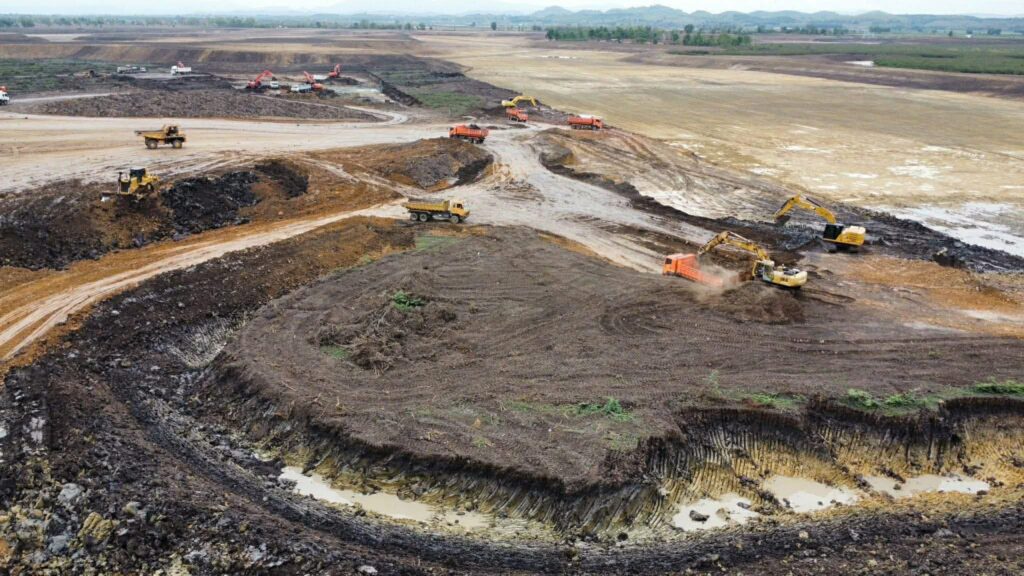
ข้อทวงติงและข้อเสนอแนะเชิงนโยบาย เพื่อการเปลี่ยนผ่านสู่อนาคตที่ยั่งยืน
ณ การประชุมประจำปีธนาคารโลกและกองทุนการเงินระหว่างประเทศ กรุงเทพมหานคร
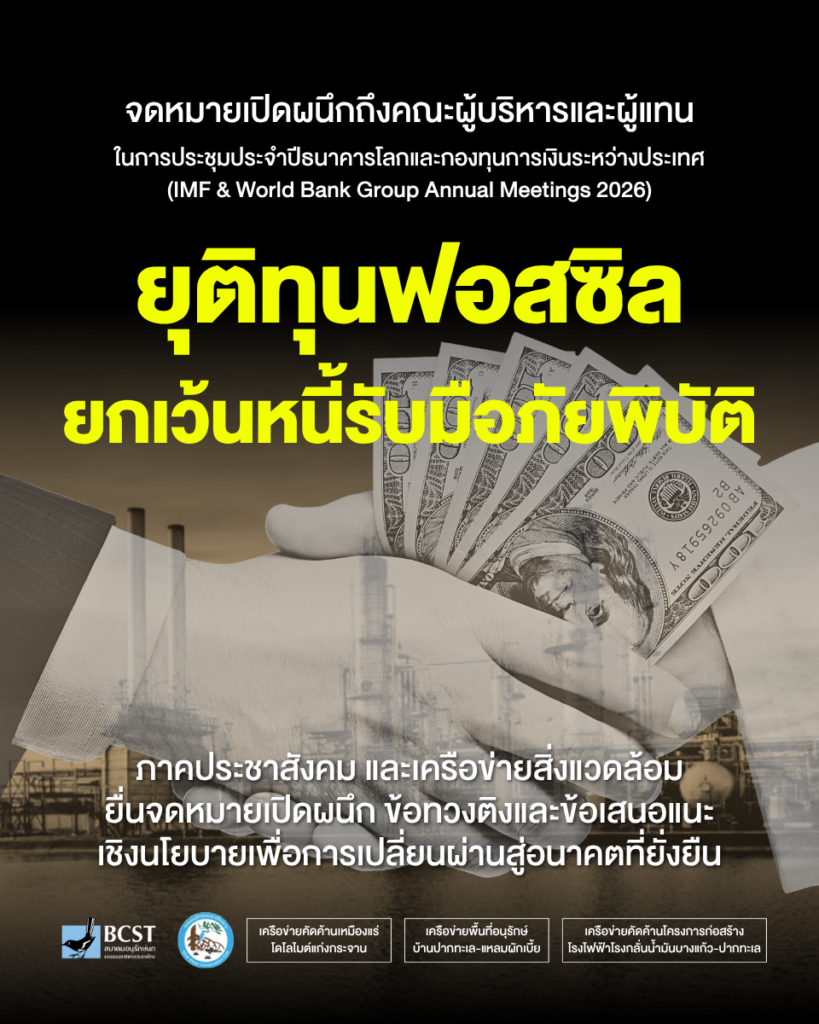
ถึง ผู้บริหารและคณะผู้แทนในการประชุมประจำปีธนาคารโลกและกองทุนการเงินระหว่างประเทศ (IMF & World Bank
Group Annual Meetings 2026)
เนื่องในโอกาสที่ประเทศไทยเป็นเจ้าภาพจัด การประชุมประจำปีสภาผู้ว่าการกลุ่มธนาคารโลกและกองทุนการเงินระหว่างประเทศ (IMF & World Bank Group Annual Meetings 2026) ณ ศูนย์การประชุมแห่งชาติสิริกิติ์ พวกเราในฐานะภาคประชาสังคมและกลุ่มผู้ทำงานด้านการอนุรักษ์ทรัพยากรธรรมชาติและสิ่งแวดล้อม ขอใช้โอกาสอันสำคัญนี้ในการส่งเสียงสะท้อน ข้อทวงติง และข้อเสนอแนะเชิงนโยบาย เพื่อให้ที่ประชุมระดับโลกแห่งนี้ตระหนักถึงความเร่งด่วนในการปรับทิศทางการเงินและการพัฒนาให้สอดคล้องกับวิกฤตการณ์ของโลกในปัจจุบันอย่างแท้จริง
1. ข้อทวงติงต่อทิศทางนโยบายและการลงทุนที่ผ่านมา (Key Concerns)
1.1 ความขัดแย้งระหว่างวาระการพัฒนาและเงินทุนสีเทา: แม้ในเวทีประชุมจะมีการกล่าวถึงเป้าหมายการพัฒนาที่ยั่งยืน (SDGs) และวิกฤตสภาพภูมิอากาศ แต่ในทางปฏิบัติยังคงปรากฏการสนับสนุนทางการเงิน ทั้งการลงทุนโดยตรงและการค้ำประกันแก่โครงการพลังงานฟอสซิลและอุตสาหกรรมขนาดใหญ่ ซึ่งสวนทางกับเป้าหมายการควบคุมอุณหภูมิโลกและปกป้องระบบนิเวศ
1.2 ภาระหนี้สินและการจำกัดงบประมาณด้านสิ่งแวดล้อม: เงื่อนไขการปรับโครงสร้างทางเศรษฐกิจและการแบกรับหนี้มหาศาล บีบให้ประเทศกำลังพัฒนาต้องตัดทอนงบประมาณที่ควรใช้ในการปกป้องความหลากหลายทางชีวภาพ การรับมือภัยพิบัติ และการพัฒนาคุณภาพชีวิตของคนในท้องถิ่น
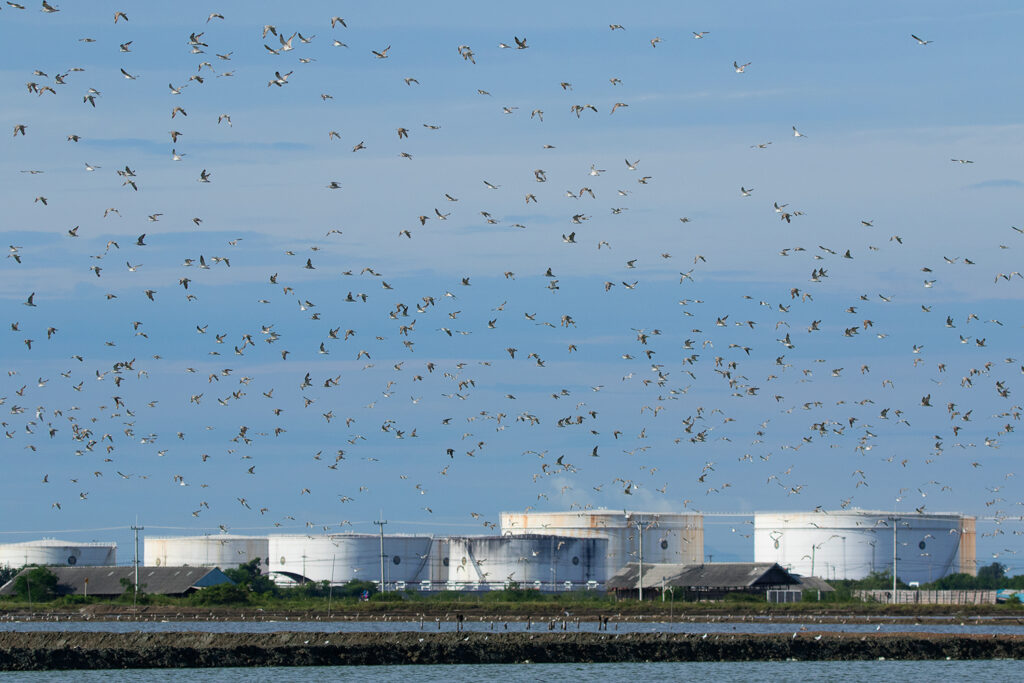
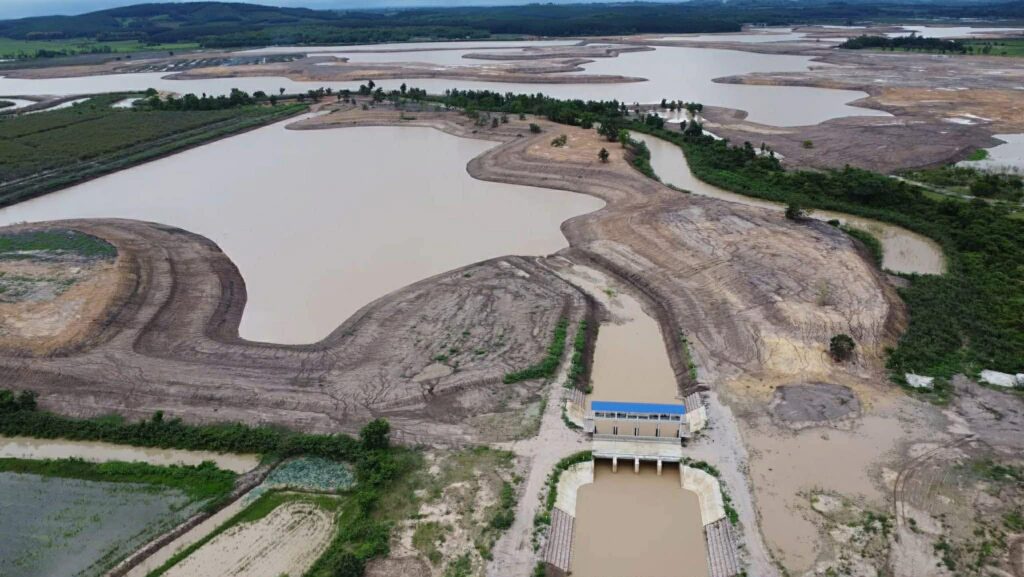
1.3 การมองข้ามเสียงของชุมชนท้องถิ่นและระบบนิเวศฐานราก: โครงการโครงสร้างพื้นฐานหรือนโยบายการพัฒนาหลายโครงการ ขาดกระบวนการมีส่วนร่วมที่แท้จริงจากชุมชนดั้งเดิม ส่งผลให้พื้นที่เปราะบางทางธรรมชาติ เช่น พื้นที่ชุ่มน้ำชายฝั่งและระบบนิเวศลุ่มน้ำ ถูกคุกคามและสูญเสียความสามารถในการเป็นเกราะป้องกันภัยธรรมชาติ
2. ข้อเสนอแนะและแนวทางการขับเคลื่อนจากการประชุม (Actionable Recommendations)
เพื่อให้การประชุมที่กรุงเทพฯ ครั้งนี้ ไม่เป็นเพียงแค่เวทีเจรจาเชิงพิธีการ แต่เป็นหมุดหมายของการเปลี่ยนแปลง เราขอเสนอแนวทางปฏิบัติเร่งด่วน 4 ประการ ดังนี้
ก. ยุติการสนับสนุนฟอสซิลและเร่งจัดสรรทุนปกป้องระบบนิเวศ (Fossil Phase-Out & Ecosystem Protection) ยุติการให้เงินกู้ การค้ำประกัน และความช่วยเหลือทางเทคนิคแก่โครงการพลังงานฟอสซิลทุกรูปแบบโดยเด็ดขาด เพิ่มสัดส่วนการลงทุนและการให้ทุนเปล่าเพื่อการปกป้องและฟื้นฟูระบบนิเวศธรรมชาติ เช่น พื้นที่ชุ่มน้ำ ป่าชายเลน และแหล่งกักเก็บคาร์บอนตามธรรมชาติ ซึ่งเป็นหัวใจสำคัญในการรับมือกับการเปลี่ยนแปลงสภาพภูมิอากาศในระดับพื้นที่
ข. ปฏิรูปกลไกทางการเงินและโครงสร้างหนี้ (Debt & Climate Finance Reform) ขยายกลไกการแปลงหนี้เป็นทุนเพื่อการอนุรักษ์ธรรมชาติและภูมิอากาศ (Debt-for-Nature / Debt-for-Climate Swaps) อย่างเป็นรูปธรรมในประเทศกำลังพัฒนานำมาตรการพักชำระหนี้อัตโนมัติเมื่อเกิดภัยพิบัติ (Climate Resilient Debt Clauses) มาใช้กับทุกประเทศ เพื่อให้รัฐบาลท้องถิ่นมีงบประมาณเพียงพอในการเยียวยาประชาชนและฟื้นฟูสิ่งแวดล้อมโดยไม่ต้องกังวลภาระหนี้
ค. เคารพสิทธิชุมชนและยึดถือหลักการมีส่วนร่วมอย่างแท้จริง (Human Rights & Local Governance) บังคับใช้หลักการความยินยอมที่ปรากฏการแจ้งล่วงหน้าอย่างเสรี (FPIC – Free, Prior, and Informed Consent) กับทุกโครงการพัฒนาที่ได้รับเงินสนับสนุนจากสถาบันการเงินระหว่างประเทศ เปิดพื้นที่ให้ภาคประชาสังคมและชุมชนท้องถิ่นมีส่วนร่วมอย่างมีความหมาย ตั้งแต่กระบวนการออกแบบ ตรวจสอบผลกระทบสิ่งแวดล้อมและสังคม ไปจนถึงการบริหารจัดการทรัพยากรในระดับพื้นที่
ง. ขยับข้ามมาตรวัด GDP สู่ความยั่งยืนที่แท้จริง (Beyond GDP) ปรับเปลี่ยนเกณฑ์การประเมินความสำเร็จของโครงการพัฒนา จากตัวชี้วัดการเติบโตทางเศรษฐกิจแบบดั้งเดิม (GDP) ไปสู่การวัด ความสมบูรณ์ของระบบนิเวศ (Ecosystem Health) และ ความอยู่ดีมีสุขของชุมชนท้องถิ่น (Community Well-being)
3. บทเรียนและความคาดหวังต่อการประชุมครั้งนี้
“การพัฒนาที่แท้จริงต้องไม่อยู่บนฐานของการทำลายธรรมชาติ และต้องไม่ทิ้งภาระความเสี่ยงไว้ให้ชุมชนท้องถิ่น และคนรุ่นหลัง”
ในฐานะที่การประชุมประจำปีจัดขึ้นในประเทศไทย ซึ่งเป็นภูมิภาคที่กำลังเผชิญหน้ากับความเปราะบางทางระบบนิเวศและวิกฤตภูมิอากาศอย่างรุนแรง พวกเราคาดหวังเป็นอย่างยิ่งว่า ผู้บริหารธนาคารโลกและผู้เข้าร่วมประชุมทุกท่านจะรับฟังเสียงสะท้อนเหล่านี้ แปลงมติและคำมั่นสัญญาในห้องประชุมให้เป็นการกระทำที่เด็ดเดี่ยว เพื่อนำพาระบบการเงินโลกและอนาคตของพวกเราทุกคนไปสู่ความยั่งยืน ความเป็นธรรม และความสมดุลอย่างแท้จริง
ขอแสดงความนับถือ
สมาคมอนุรักษ์นกและธรรมชาติแห่งประเทศไทย ชมรมอนุรักษ์ธรรมชาติโคกขาม เครือข่ายพื้นที่อนุรักษ์บ้านปากทะเล-แหลมผักเบี้ย เครือข่ายคัดค้านโครงการก่อสร้างโรงไฟฟ้าโรงกลั่นน้ำมันบางแก้ว-ปากทะเล เครือข่ายคัดค้านเหมืองแร่โดโลไมต์แก่งกระจาน และพลเมืองผู้ห่วงใยอนาคตโลก
(ณ การประชุมประจำปี IMF และ World Bank Group กรุงเทพมหานคร, 14 ตุลาคม 2569)
…………………………………….
OPEN LETTER: Concerns and Policy Recommendations for a Sustainable Transition at the Annual Meetings of the World Bank Group and the International Monetary Fund, Bangkok
To: Executive Directors and Delegates to the 2026 Annual Meetings of the International Monetary Fund (IMF) and the World Bank Group
On the occasion of Thailand hosting the 2026 Annual Meetings of the Boards of Governors of the World Bank Group and the International Monetary Fund (IMF) at the Queen Sirikit National Convention Center (QSNCC), we as civil society organizations, local conservation networks, and concerned global citizens take this crucial opportunity to amplify our voices, present key concerns, and propose actionable policy recommendations. We urge this global forum to recognize the immediate necessity of realigning international finance and development agendas with today’s planetary crises.
1. Key Concerns Regarding Past Policy Directions and Investments
1.1 Contradiction Between Development Agendas and Grey Financing:
Despite public pledges toward the Sustainable Development Goals (SDGs) and climate action, direct and indirect financial support including loans and guarantees continues to fund fossil fuel projects and heavy industrial developments. This directly contradicts global climate targets and ecosystem preservation efforts.
1.2 Debt Burden and the Constraining of Environmental Budgets:
Structural adjustment conditions and escalating debt service obligations force developing nations to slash public spending that would otherwise protect biodiversity, enhance climate resilience, and improve local livelihoods.
1.3 Marginalization of Local Communities and Foundational Ecosystems:
Large-scale infrastructure and development initiatives routinely lack meaningful public participation from indigenous and local communities. As a result, ecologically fragile areas such as coastal wetlands and river basin ecosystems are degraded, losing their inherent capacity to serve as natural defenses against climate hazards.
2. Actionable Policy Recommendations for the Bangkok Meetings
To ensure that the meetings in Bangkok transcend symbolic diplomacy and deliver transformative action, we urge the adoption of four urgent measures:
A. Fossil Fuel Phase-Out & Ecosystem Protection
Impose an immediate and absolute ban on loans, guarantees, and technical assistance for all fossil fuel expansion and infrastructure.
Scale up grants and direct investments aimed at conserving and restoring natural carbon sinks and coastal habitats (e.g., salt pans, mangroves, and wetlands) essential for localized climate adaptation.
B. Debt & Climate Finance Reform
Expand and streamline concrete Debt-for-Nature and Debt-for-Climate Swaps for developing and climate-vulnerable countries.
Systematically integrate Climate Resilient Debt Clauses (CRDCs) across all lending instruments to allow automatic debt payment pauses during severe natural disasters, freeing up vital fiscal space for local recovery.
C. Human Rights, Rights of Nature, and Local Governance
Enforce the principle of Free, Prior, and Informed Consent (FPIC) across all international finance-supported projects affecting local and indigenous lands.
Institutionalize meaningful civil society and community participation across all project phases from design and Environmental/Social Impact Assessments (EIA/ESIA) to local resource stewardship.
D. Beyond GDP Metrics for Authentic Sustainability
Shift performance evaluation metrics away from traditional GDP growth toward holistic indicators, specifically Ecosystem Health and Community Well-being.
3. Lessons and Expectations for the 2026 Annual Meetings
“True development must not come at the expense of natural destruction, nor should it leave risks and burdens on the shoulders of local communities and future generations.”
As these Annual Meetings take place in Thailand a region at the forefront of ecological vulnerability and climate impacts we expect World Bank and IMF leadership to translate meeting pledges into decisive, accountable actions. We urge you to steer global finance toward a future that is ecologically balanced, socially just, and truly sustainable.
Respectfully submitted,
Bird Conservation Society of Thailand – BCST
Khok Kham Nature Conservation Club
Ban Pak Thale–Laem Phak Bia Conservation Network, Network Opposing the Bang Kaeo–Pak Thale Power Plant and Oil Refinery Project,
Kaeng Krachan Dolomite Mining Opposition Network,
And Concerned Global Citizens
(Given at the IMF & World Bank Group Annual Meetings, Bangkok, 14 October 2026)