
นกอพยพกว่า 45% ทั่วโลกกำลังเผชิญกับความเสี่ยงในการสูญพันธุ์!
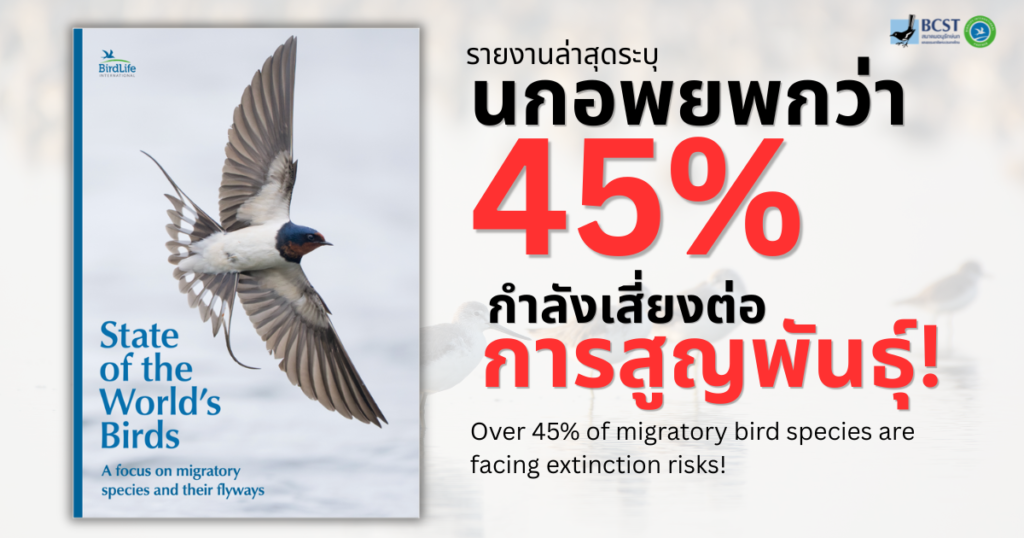
State of the World’s Birds: A focusing on migratory species and their flyway รายงานฉบับล่าสุดจาก BirdLife International ระบุว่า
❝ นกอพยพกว่า 45% กำลังเผชิญความเสี่ยงต่อการสูญพันธุ์ โดยเฉพาะกลุ่มนกทะเล และนกชายเลน โดยในช่วง 150 ปีที่ผ่านมา มีนกอพยพจำนวน 7 ชนิด ที่ได้รับการยืนยันหรือคาดการว่าสูญพันธุ์ไปแล้วอย่างเป็นทางการ ซึ่งนับเป็นอัตราการสูญพันธุ์ที่สูงที่สุดในประวัติศาสตร์❞
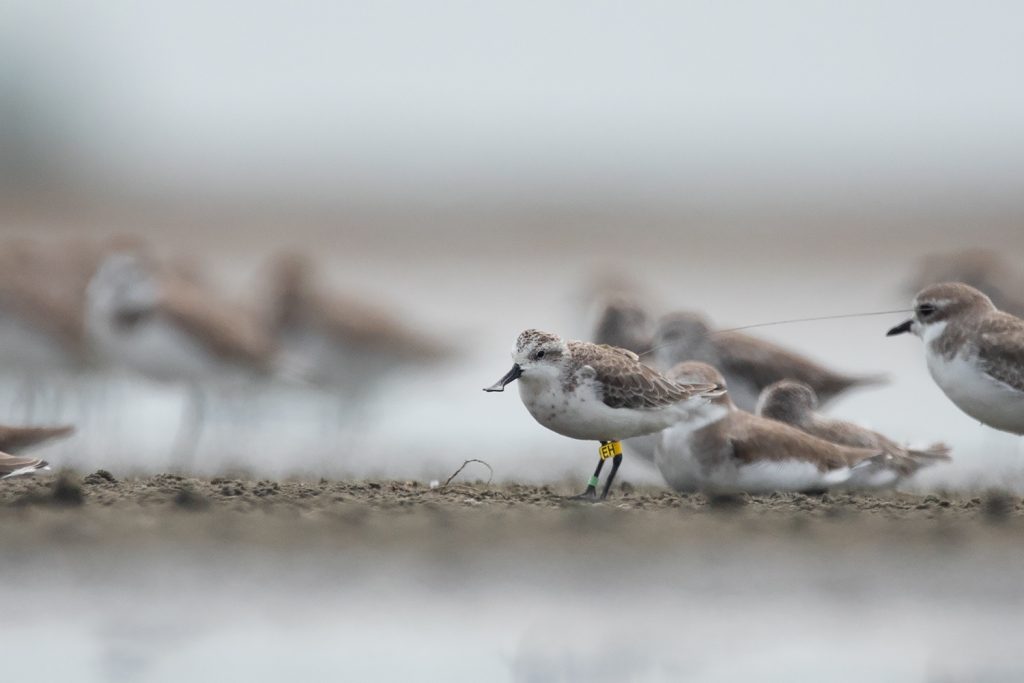
ปัจจัยหลักที่ทำให้เหล่านกอพยพต้องเผชิญกับความเสี่ยงในการสูญพันธุ์ล้วนแต่มีสาเหตุมาจากมนุษย์ เช่น ภัยคุกคามจากชนิดพันธุ์ต่างถิ่นรุกราน สภาพอากาศแปรปรวนสุดขั้น การล่า และโดยเฉพาะอย่างยิ่งการเปลี่ยนสภาพแหล่งที่อยู่อาศัย

ความเสื่อมสภาพและการเปลี่ยนแปลงการใช้ประโยชน์พื้นที่ชุ่มน้ำในเส้นทางบินอพยพเอเชียตะวันออก-ออสเตรเลีย เป็นปัจจัยที่สำคัญที่ส่งผลให้นกกว่า 53% จาก 551 ชนิดบนเส้นทางบินแห่งนี้มีแนวโน้มลดลง ดังนั้นการปกป้องพื้นที่ที่นกใช้ประโยชน์ ร่วมถึงการสนับสนุนงานอนุรักษ์ในระดับพื้นที่จึงมีส่วนสำคัญอย่างยิ่งในการปกป้องนกอพยพเหล่านี้
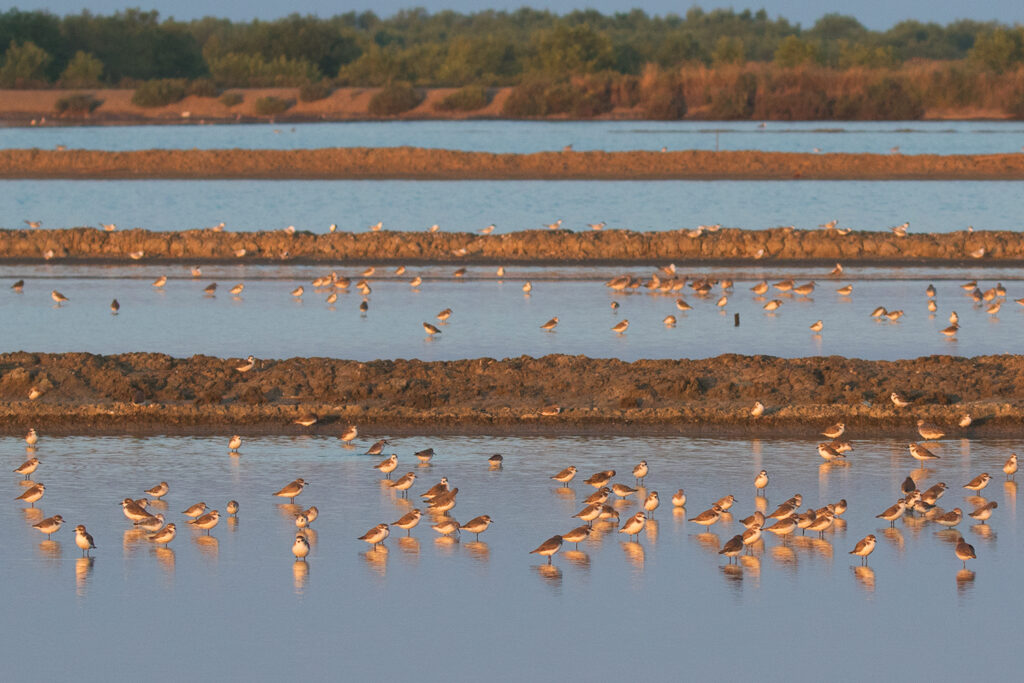
รายงานฉบับนี้ยังได้ชี้ให้เห็นถึงความสำคัญของพื้นที่ชายฝั่ง โดยเฉพาะนาเกลือสมุทรในประเทศไทยในการเป็นแหล่งอาศัยที่สำคัญของนกชายเลยอพยพอีกด้วย
สำหรับผู้ที่สนใจข้อมูลเพิ่มเติม สามารถดูสรุปรายงานผ่าน https://sowb.birdlife.org/
หรือดาวโหลดรายงานฉบับสมบูรณ์ได้ทาง https://datazone.birdlife.org/publications/state-of-the-worlds-birds-2026
เขียนโดย: วัชรวีร์ ศรีประเสริฐศิลป์
……………………………………………..
45% of migratory bird species are facing extinction risks
The latest report from BirdLife International, State of the World’s Birds: Focus on Migratory Species and Their Flyways, reveals that
❝ over 45% of migratory bird species are facing extinction risks, with seabirds and shorebirds being particularly vulnerable. Over the past 150 years, 7 migratory bird species have been confirmed or suspected to be officially extinct, marking the highest rate of extinction in history.❞
Human activity is the primary drivers behind these extinction risks. Key threats include invasive alien species, extreme weather events, hunting, and most critically, habitat loss and degradation.
The degradation and land-use change of wetlands along the East Asian-Australasian Flyway (EAAF) serve as a major driver causing population declines in over 53% of the 551 species utilizing this flyway. Consequently, protecting key avian habitats and empowering local community-based conservation initiatives are crucial steps toward safeguarding these migratory birds.
Furthermore, the report also highlights the significance of coastal habitats, emphasizing Thailand’s traditional solar salt pans as vital stopover and wintering grounds for migratory shorebirds.
For those interested in further details, a summary of the report is available at https://sowb.birdlife.org/, or you can download the full report at https://datazone.birdlife.org/publications/state-of-the-worlds-birds-2026.
Written by Vatcharavee Sriprasertsil